
What communication channels belong to omnichannel?
Omnichannel communication includes all channels where customers can contact – telephony, e-mail, chat, social media, WhatsApp, SMS and websites – integrated into one cohesive system. The difference with multichannel is that all interactions are connected with full customer history available by channel. For modern organizations, this means consistent customer experiences regardless of the communication channel chosen. Omnichannel communication is an integrated approach where all customer contact channels – from traditional telephony to modern digital platforms – work together as one unified system. Unlike multichannel, where channels often operate separately, omnichannel shares all customer information and call history between channels. The core principle revolves around continuity. When a […]
What touchpoints are crucial in omnichannel?
Touchpoints in an omnichannel strategy are all contact moments between your organization and customers, integrated into one cohesive system. Crucial touchpoints include telephony, website, email, social media, chat and mobile apps. These must work together seamlessly with shared customer data and consistent experience. Dutch companies achieve the best results by prioritizing telephony, email and website as primary touchpoints. Touchpoints are all points where customers make contact with your company, but in an omnichannel context, these work together as one integrated system. Unlike traditional touchpoints that function in isolation, omnichannel touchpoints share customer information and provide a consistent experience regardless of the chosen […]
What is omnichannel customer journey analytics?
Omnichannel customer journey analytics is an advanced analytics methodology that collects and analyzes customer interactions across all communication channels to get a complete picture of the customer experience. It unites data from telephony, email, chat, social media and physical touchpoints into one coherent system. This approach enables organizations to understand customer behavior, identify pain points and optimize the overall customer experience. Omnichannel customer journey analytics combines data from all customer touchpoints to create a unified view of the customer experience. It differs from traditional analytics in that it looks not at individual channels, but at the complete journey customers take between […]
How do you analyze omnichannel customer interactions?
Analyzing omnichannel customer interactions means collecting and interpreting customer data from all communication channels to get a complete picture of the customer journey. This process helps organizations understand customer behavior, improve service and increase operational efficiency. Effective analysis requires integrated tools, consistent data collection and a focus on relevant metrics that provide insight into the overall customer experience. Omnichannel customer interactions are all contact moments between customers and your organization across channels such as telephony, email, chat, social media and WhatsApp, with customer context and conversation history shared seamlessly across all touchpoints. This differs from multichannel because in omnichannel, all channels […]
What KPIs do you use for omnichannel performance?
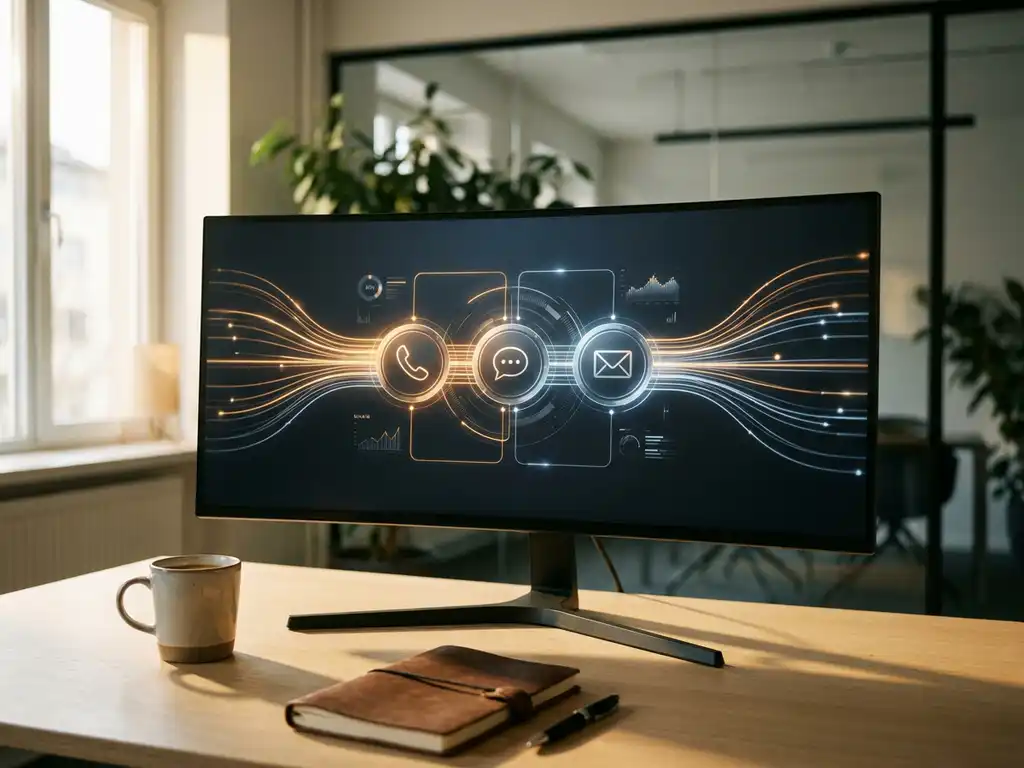
Omnichannel KPIs are performance indicators that measure the effectiveness of customer interactions across all communication channels, rather than isolated channel-specific metrics. This integrated metric provides insight into the true customer experience and operational efficiency of modern businesses that serve customers through telephony, email, chat, social media and other touchpoints. Effective omnichannel KPI measurement helps organizations optimize their customer experience and reduce operational costs. Omnichannel KPIs are performance indicators that measure the consistency and effectiveness of customer interactions across all communication channels. They differ from traditional channel-specific metrics in that they capture the entire customer journey, regardless of which channels customers use during their interaction […].
What are omnichannel customer journey mapping techniques?
Omnichannel customer journey mapping is a systematic approach to mapping all customer interactions and touchpoints within an integrated communication ecosystem. It differs from traditional journey mapping by treating all channels – from telephony to WhatsApp, live chat and social media – as one cohesive customer experience. These techniques help organizations eliminate fragmented customer contacts and create a seamless experience regardless of the communication channel chosen. Omnichannel customer journey mapping is the process of visualizing and analyzing all customer interactions within an integrated communication platform. It goes beyond traditional customer journey mapping by looking not only at individual touchpoints, but the interconnections [….]
How do you ensure consistent omnichannel communication?
Consistent omnichannel communication ensures that customers get the same experience regardless of the channel they choose – phone, email, chat or social media. It means that all touchpoints are integrated so that customer information and call history is available everywhere. This requires an integrated technical architecture, unified processes and a culture change within the organization. Multichannel means offering multiple communication channels, but they operate as separate silos. Omnichannel, on the other hand, integrates all channels into one seamless customer experience where information is shared across all touch points. With a multichannel approach, each department often has its own systems and processes. A customer who starts with a question […]
How do you avoid omnichannel data silos?

Omnichannel data silos occur when different systems and departments store customer data separately, creating a fragmented customer experience. Breaking these silos requires an integrated approach that connects all communication channels and data sources through one central platform. This guide answers key questions about recognizing, preventing and resolving data silos in omnichannel organizations. Omnichannel data silos are isolated information systems in which customer data is stored separately by channel or department, with no interconnection between them. They result from legacy systems, different departments using their own tools, and the lack of an integrated data architecture. The root causes of data silos often lie in historical […]
How do you personalize omnichannel experiences?
Omnichannel personalization means delivering personalized customer experiences that are consistent across all communication channels – from telephony to WhatsApp, email to live chat. It goes beyond traditional personalization by synchronizing customer data and preferences across all touch points so that customers always receive a cohesive experience regardless of the channel chosen. Omnichannel personalization is the process of customizing customer interactions based on individual preferences, behavior and history, while applying this personalization consistently across all available communication channels. It differs fundamentally from traditional personalization, which is often limited to a single channel or platform. The key difference lies in the integrated approach. Where […]
What CRM functions are essential for omnichannel?

An omnichannel CRM system integrates all customer interactions from phone, email, chat to social media into one central database. Essential features include real-time synchronization, shared contact history, intelligent automation and seamless integration capabilities. These features ensure that customers are consistently served regardless of communication channel, resulting in better customer experience and higher operational efficiency for modern businesses. Omnichannel CRM is an integrated system that brings together all customer interactions across different communication channels into one central database. The difference with multichannel is that omnichannel ensures seamless integration between channels, while multichannel manages each channel separately. The importance for modern businesses lies in the changing expectations […].