
How does RPA work in small organizations?

RPA (Robotic Process Automation) transforms small organizations by automating repetitive tasks with software robots that work 24/7 without errors. These digital assistants instantly cut costs – often less than a part-time employee but with full-time productivity. Start with simple processes like invoice processing or data capture and recoup your investment within 6-12 months. Modern RPA solutions have become modular and affordable, giving smaller companies access to this technology that frees employees from tedious administration.
How do you calculate RPA investment payback?
Calculating the payback period for RPA seems complex, but with the right approach, you’ll gain clear insight into your investment. On average, organizations recoup their RPA costs within 6 to 18 months, with a healthy ROI of 200-400% over three years. A typical bot saves €80,000 to €200,000 per year by eliminating repetitive tasks. However, many companies underestimate hidden costs such as change management and integration challenges. Learn the step-by-step ROI calculation and find out why some projects are more expensive than expected.
What are the risks of sticking with legacy telephony?
Legacy telephony systems are becoming exponentially more expensive due to scarcity of specialists and rising parts costs. Outdated systems such as Avaya and Mitel have serious security vulnerabilities due to missing updates and weak encryption, causing data breaches and compliance issues. Employees lose productivity due to lack of mobile integration and modern features, while customers experience frustration due to fragmented communication channels. Maintenance costs rise every month, security risks increase and hybrid working becomes almost impossible. The question is not whether to switch, but when the cost of delaying becomes too high for your business.
What impact does RPA have on long-term employment?
RPA affects long-term employment by both replacing jobs and creating new roles. While repetitive tasks disappear, positions in bot development, process analysis and change management are simultaneously created. The net effect depends on how organizations manage the transition and reposition employees to more strategic, high-value activities. RPA has a double impact on employment: it eliminates manual, repetitive tasks but simultaneously generates new jobs in technology and process management. Research shows that for every three jobs eliminated by automation, an average of two new ones are created in related fields. The actual impact is more nuanced than is often suggested. Organizations […]
How do you communicate RPA changes to employees?
Successful RPA communication to employees requires a strategic approach that builds trust and eliminates fears. It involves clear explanations of benefits, timely information and active employee involvement in the change. Open communication and participation builds support for automation that supports rather than threatens employees. Communication is the foundation for successful RPA implementation because change naturally creates resistance among employees. Without clear explanations of goals and consequences, fear, misinformation and resistance to automation arise. Good communication builds trust and helps employees understand the benefits of RPA. The psychology behind change resistance is deeply rooted in uncertainty [….]
What social media channels fit omnichannel?

The best social media channels for omnichannel communication are LinkedIn, Facebook, Instagram, WhatsApp Business and Twitter, with each platform playing a specific role in your integrated customer experience. Omnichannel social media means that all platforms work seamlessly with your telephony, email and other contact channels so that customers get a consistent experience no matter where they contact. Omnichannel social media integrates all platforms into one cohesive system where customer data and conversations are shared, while multichannel treats each platform as a separate channel. With omnichannel, your team has access to the entire customer history regardless of the platform on which the interaction takes place. The core difference is in the […]
How do you manage omnichannel social media content?

Omnichannel social media content management is the integrated management of content across all social media platforms with a unified brand message and customer experience. This goes beyond just posting on different channels. It’s about creating a seamless, consistent communication where customers experience the same brand identity regardless of whether they follow your company on LinkedIn, Instagram, Facebook or other platforms. Effective omnichannel management ensures better customer engagement and stronger brand recognition. Omnichannel social media content management means treating all social media platforms as part of one cohesive communications strategy. Instead of approaching each platform as a separate silo, create […]
How do you monitor RPA robot performance and optimize lead times?

RPA robot performance monitoring is essential for identifying bottlenecks, optimizing lead times and maximizing process efficiency. By systematically monitoring KPIs such as lead time, error rates and availability, organizations can continuously improve their automated processes. Effective monitoring combines real-time dashboards with structured analysis to achieve operational excellence. Dutch organizations struggle daily with inefficient processes that waste valuable time and resources. Manual tasks dominate work routines, while employees drown in repetitive activities that keep them away from strategic work. This situation is made even more urgent by increasing staff shortages and rising operational costs. RPA performance monitoring is the backbone of successful process automation. Without systematic monitoring […]
Pegamento launches its own podcast series: The Pegamento Podcast
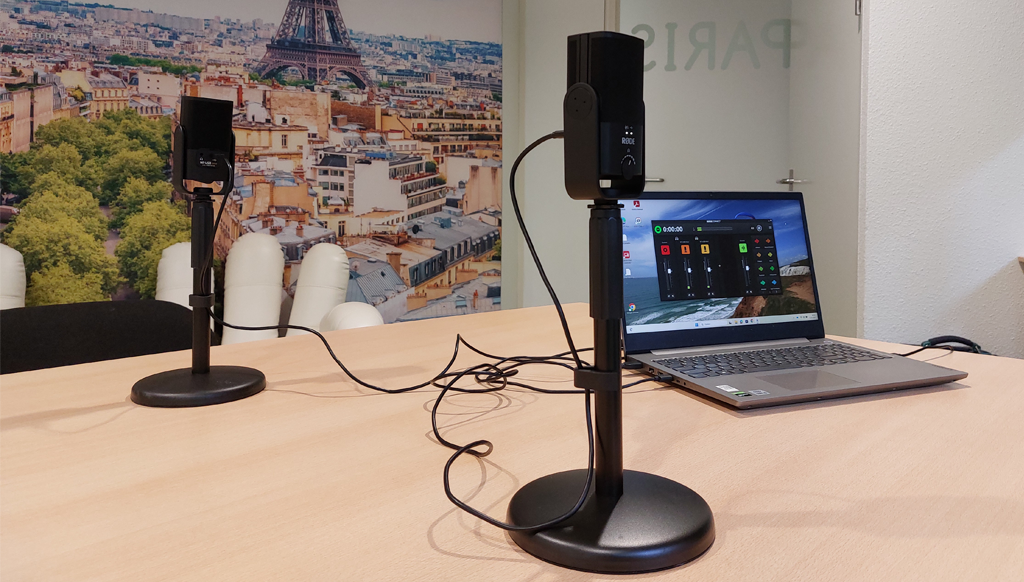
Pegamento has launched its own podcast series focusing on technology, customer experience and humanity. In The Pegamento Podcast, Pegamento engages with inspiring entrepreneurs and experts. Listeners not only discover the story behind organizations, but also get a personal insight into who the guests are. Three installments have now been published, covering a variety of topics: […]
What are omnichannel mobile app strategies?

Omnichannel mobile app strategies connect different customer contact channels into one integrated experience in which the mobile application works seamlessly with other touchpoints such as telephony, email, chat and social media. This approach ensures that customers can continue their interaction on any channel without losing information or having to retell their story. For modern organizations, this is essential to maintain competitive advantage in an increasingly digital world. Omnichannel for mobile apps means that the application is fully integrated with all other customer contact channels within your organization. Unlike multichannel approaches, where channels operate independently of each other, an omnichannel shares […]